This insight highlights the field practices, documentation standards and commercial signals that help buyers evaluate Pakistan-origin mineral supply with confidence.
Why This Matters
Streamlining Exports through Gwadar Port is not only a technical subject for mine managers; it is a commercial issue for every buyer trying to build a dependable minerals supply chain. In Gwadar and Karachi ports, the opportunity is significant because the region carries deposits that can serve steel, drilling, alloy, infrastructure and energy markets. The challenge is that mineral supply is never judged by geology alone. Buyers want to know whether material can be sourced consistently, tested honestly, documented properly and moved from mine to port without avoidable uncertainty. That is where mineral logistics becomes part of the business model. For Balochistan Minerals, the goal is to connect resource potential with practical execution, so overseas buyers who need reliable delivery can evaluate supply with confidence instead of guesswork.
The Balochistan Context
Balochistan has long been known for mineral wealth, but strong projects require more than attractive grade numbers. Mine access, community relationships, road conditions, sampling discipline, seasonal planning and export documentation all shape the final buyer experience. When a procurement team asks about bulk and containerized mineral cargo, the answer should include origin, expected specifications, handling method, inspection readiness and realistic shipment timing. A professional supplier must be able to explain what is known, what is being tested and what depends on the final contract. This is especially important for Pakistan-origin minerals because global buyers compare suppliers across many jurisdictions. Clarity helps the province compete on reliability, not only on resource potential.
Operational Discipline
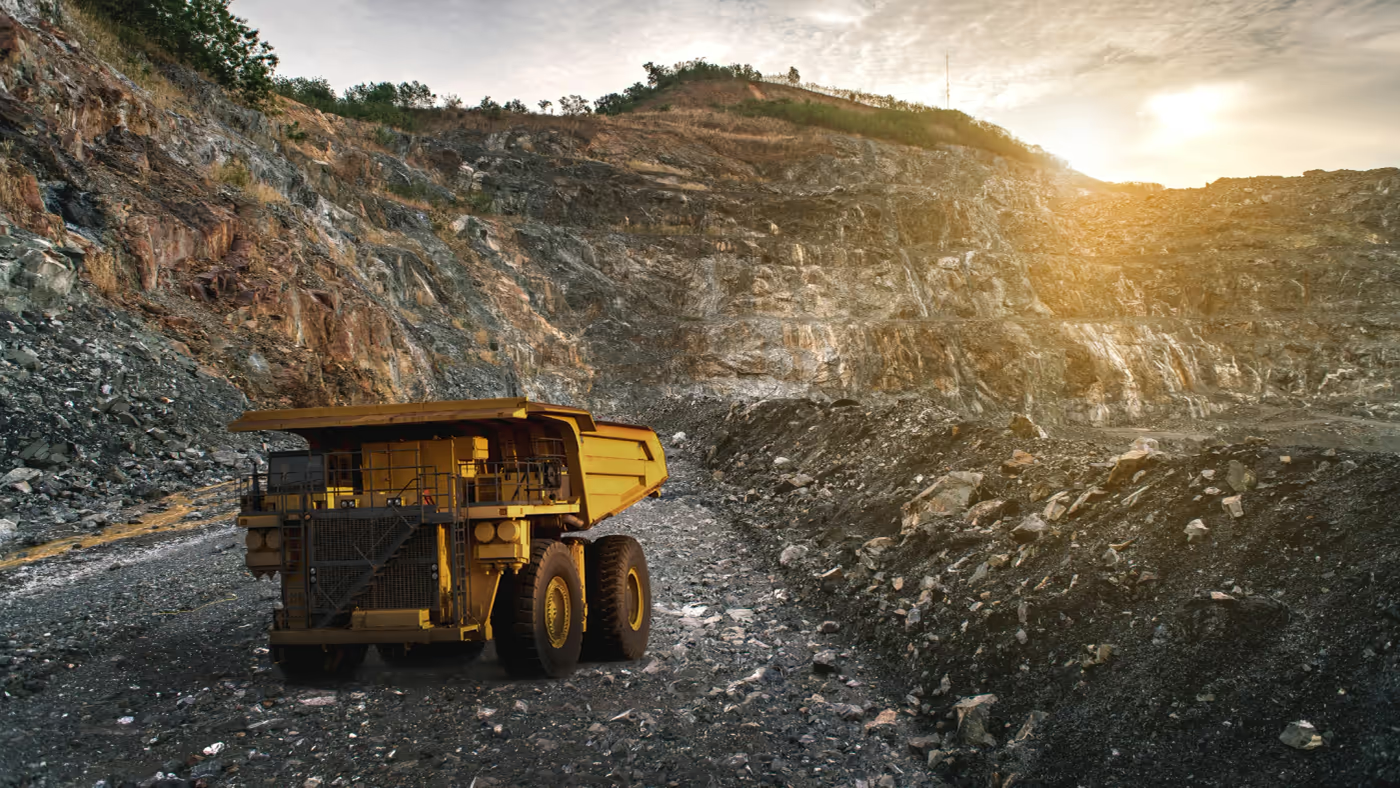
The strongest mineral operations are built around repeatable systems. That means production planning is connected to grade control, stockpile management, dispatch, documentation and customer communication. In the context of mineral logistics, disciplined operations reduce surprises before they become expensive. A shipment that looks simple on paper may involve mine scheduling, loader availability, route planning, weighbridge records, moisture checks, third-party sampling, export paperwork and port coordination. Each handoff creates risk if the process is informal. Balochistan Minerals approaches these handoffs as part of the product itself. The buyer is not purchasing rock alone; the buyer is purchasing confidence that the material will match the agreed specification and arrive through a planned route.
Quality and Documentation
Quality assurance is where a minerals company earns or loses trust. For bulk and containerized mineral cargo, buyers often need chemical analysis, size ranges, moisture expectations, photos, origin information and clear commercial terms before they commit. Documentation also matters after the order is placed, because customs, finance teams, inspection agencies and receiving plants all rely on accurate records. A serious sourcing partner should never treat paperwork as an afterthought. It should be designed into the supply process from the first inquiry. Certificates of analysis, inspection readiness, packing lists, invoices, shipment references and communication logs help prevent disputes and protect both sides of the transaction.
The buyer is not purchasing rock alone; the buyer is purchasing confidence that the material will match the agreed specification and arrive through a planned route.
Commercial Value for Buyers
The commercial value of mineral logistics is practical: it lowers the hidden cost of uncertainty. A low headline price can become expensive if the shipment is delayed, the material is inconsistent, the route is unclear or the supplier cannot answer technical questions. Buyers in steel, drilling, construction, trading and manufacturing usually prefer suppliers who are direct about capability and limitations. Balochistan Minerals positions shorter routes, clearer shipment planning and better export readiness as a way to make Pakistan-origin minerals easier to evaluate. When a buyer can compare specifications, understand logistics and speak with a team that knows the ground realities, negotiations become more productive and long-term relationships become possible.
Community, Safety and Continuity
Mining is strongest when the operating environment is stable. Community trust, workforce safety and responsible land management directly affect continuity of supply. A project that ignores local expectations may face interruptions even if the deposit is strong. A project that invests in training, safety routines, transparent communication and local participation is better prepared for long-term production. This is why mine-to-port movement, documentation, route planning and port access should be seen as operational infrastructure, not public relations language. For Balochistan Minerals, responsible practices help protect people, reduce disruption and make the company a stronger partner for buyers who must answer questions from their own boards, customers and auditors.
Logistics and Export Readiness
Pakistan's mineral opportunity depends heavily on moving material from inland sites to ports and industrial customers. Roads, storage, loading methods, documentation timing and vessel or container planning can determine whether an order feels smooth or stressful. For overseas buyers who need reliable delivery, export readiness means the supplier can discuss realistic lead times, route options, documentation requirements and communication milestones. Gwadar and Karachi both matter in the larger logistics picture, but the best route depends on cargo type, buyer location, shipment size and timing. A mature supplier treats logistics as a technical conversation, not a final-minute arrangement.
The Road Ahead
The future of mineral logistics in Balochistan will be shaped by companies that combine field knowledge with professional communication. The province has the minerals, but buyers will reward suppliers who can prove consistency, accountability and transparency. Balochistan Minerals is building around that standard: understand the deposit, control the process, document the product, communicate clearly and improve with every shipment. That approach supports shorter routes, clearer shipment planning and better export readiness. For buyers evaluating Pakistan as a sourcing destination, the message is straightforward. The opportunity is real, but the best results come from working with teams that treat minerals as a complete supply chain, from geology to delivery.