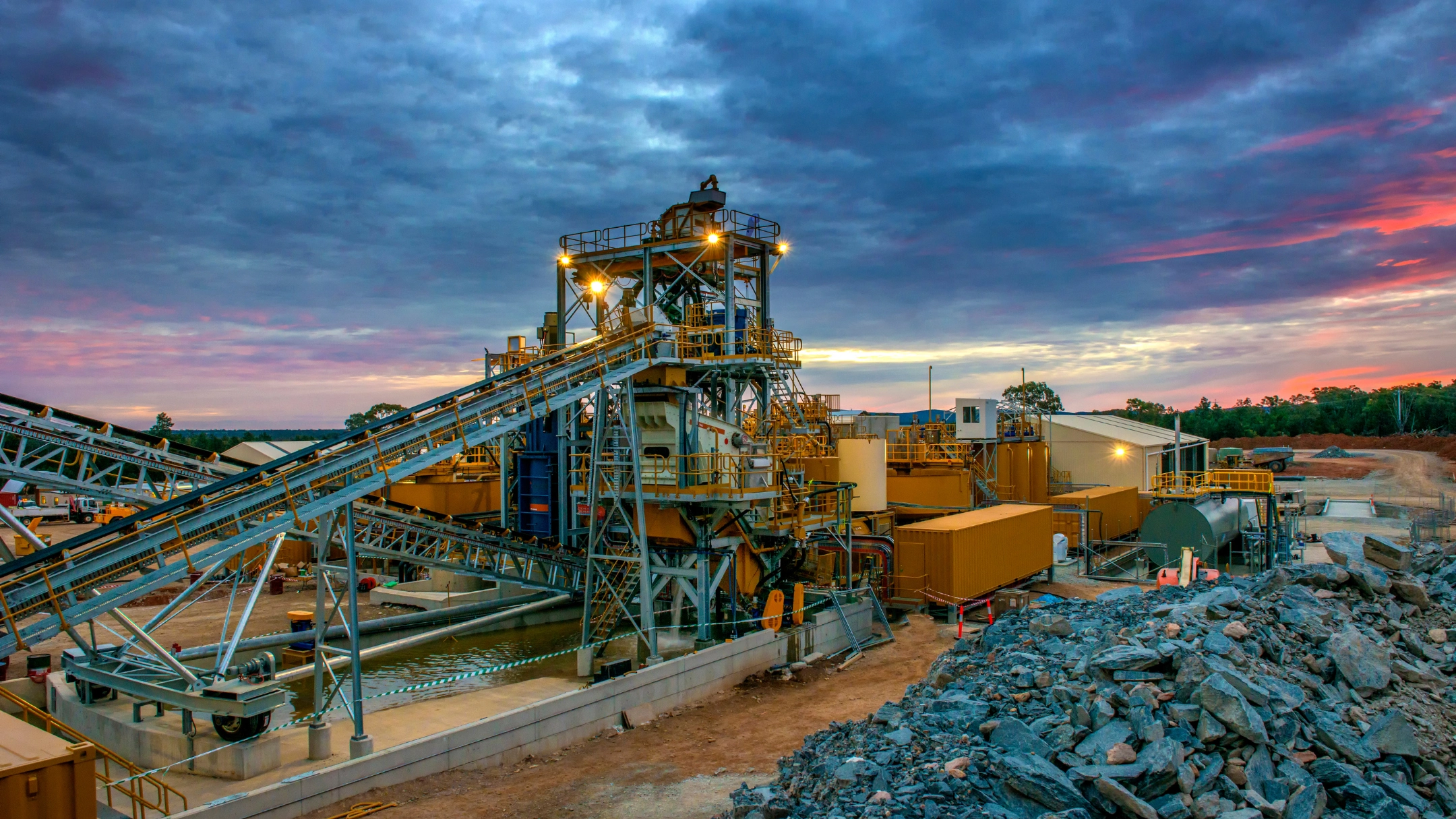
Muslim Bagh
Chromite production across the northern ophiolite belt.

Across the mineral-rich landscapes of Balochistan, our project portfolio brings together metallic minerals, industrial minerals, dimension stone and energy fuel assets. Each category supports responsible growth, disciplined sourcing and dependable mineral supply for regional and global buyers.
The portfolio spans metallic minerals, industrial minerals, dimension stone and energy fuel assets, with each category positioned around practical ore systems, buyer specifications and logistics corridors to Karachi and Gwadar ports for regional and global supply.
A focused view of the metallic mineral portfolio: chromite in the north, iron ore supply, copper-gold exploration and antimony sourcing.
Chromite production across the northern ophiolite belt.
Iron ore supply for steel feedstock and beneficiation programs.
Copper-gold exploration within the western metallogenic belt.
Antimony sourcing for specialty metal and chemical markets.
Move between active metallic operations, industrial minerals, dimensional stone assets and energy feedstock.
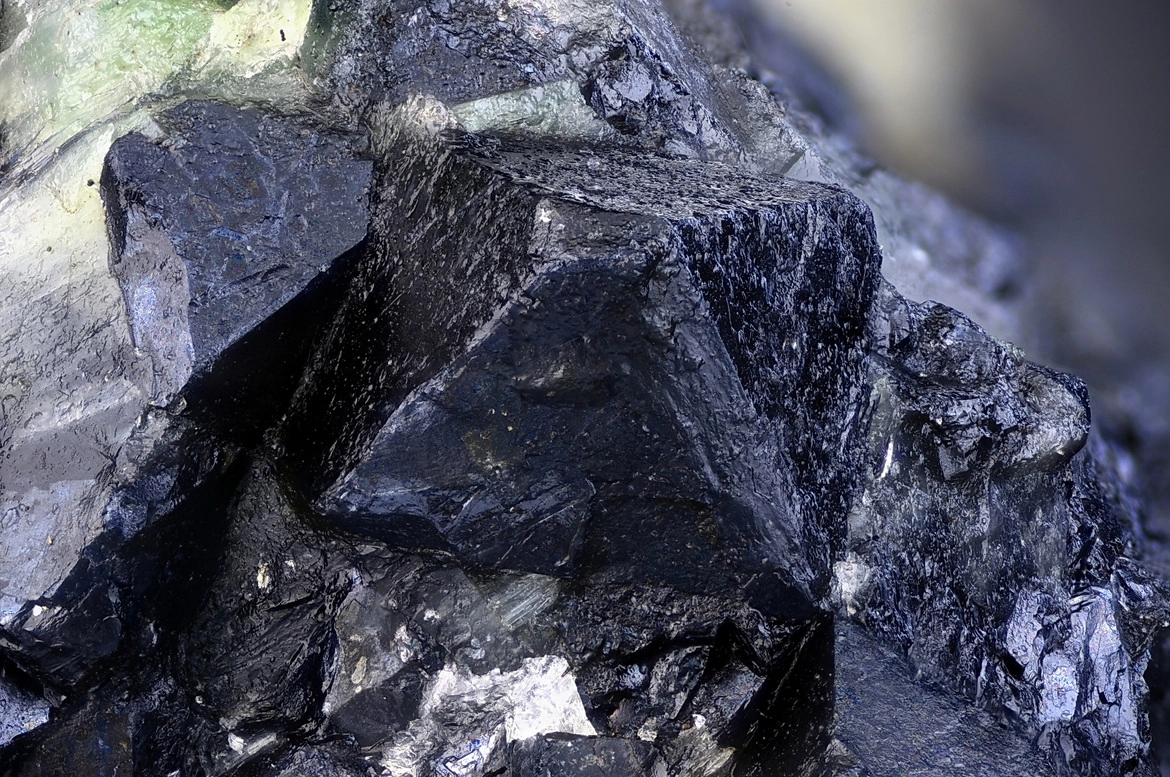
Our flagship operation, the Muslim Bagh chromite mine, sits atop one of Pakistan's most significant ophiolite-hosted chromite deposits. Located in the Qila Saifullah district of northern Balochistan, this site has been the backbone of our operations since 2008—producing metallurgical-grade chromite ore for ferrochrome smelters and stainless steel manufacturers worldwide.
The mine exploits a well-defined chromite-bearing ultramafic sequence within the Muslim Bagh ophiolite complex—a fragment of ancient oceanic crust thrust onto the continental margin during the collision of the Indian and Eurasian plates. This unique geological setting has created high-grade chromite lenses with exceptional chromium-to-iron ratios.
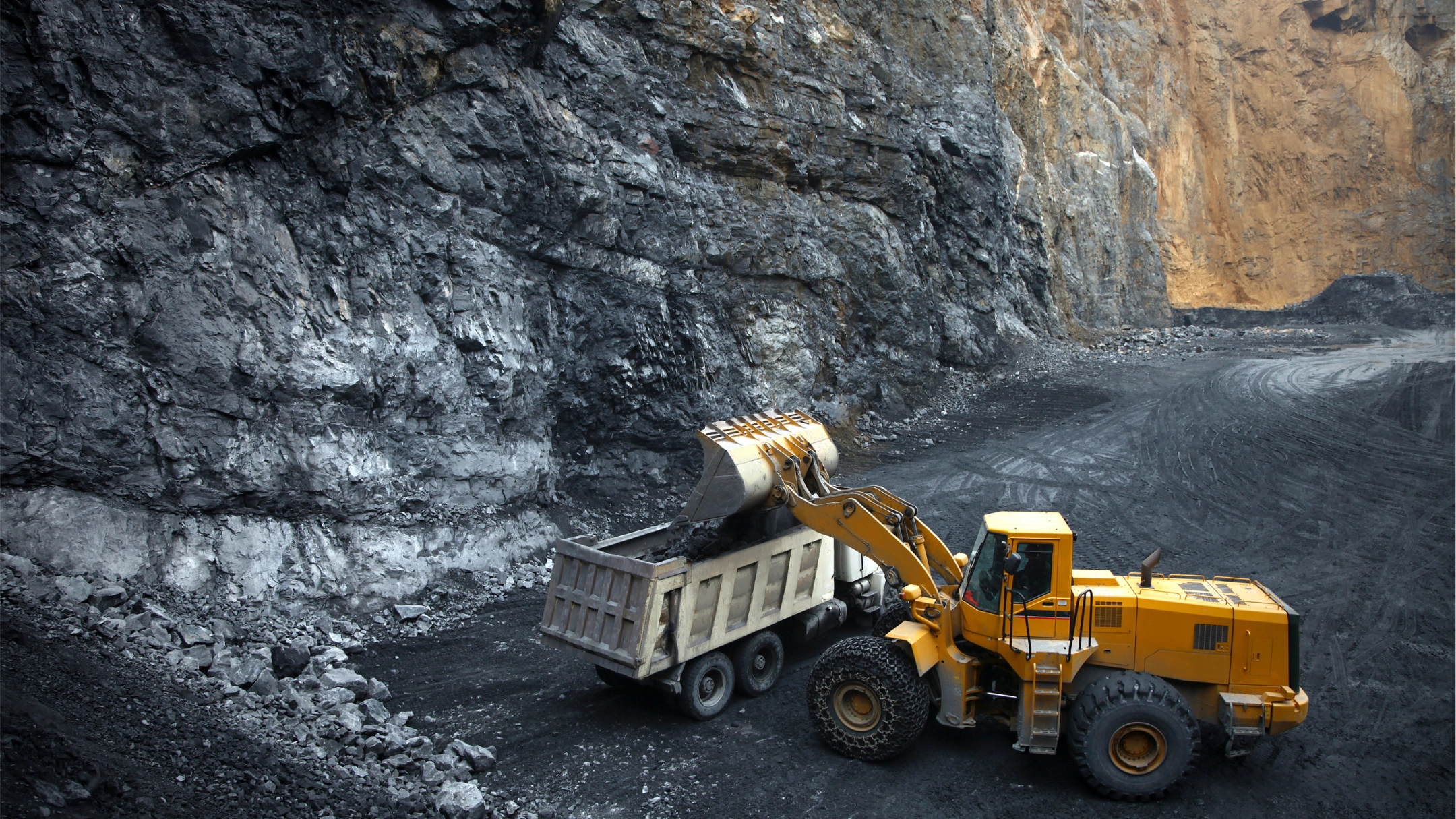
The Muslim Bagh mine utilizes a combination of open-pit and shallow underground mining methods, adapted to the geometry and dip of the chromite-bearing lenses. Overburden removal is conducted systematically, with waste material stockpiled for future land reclamation.
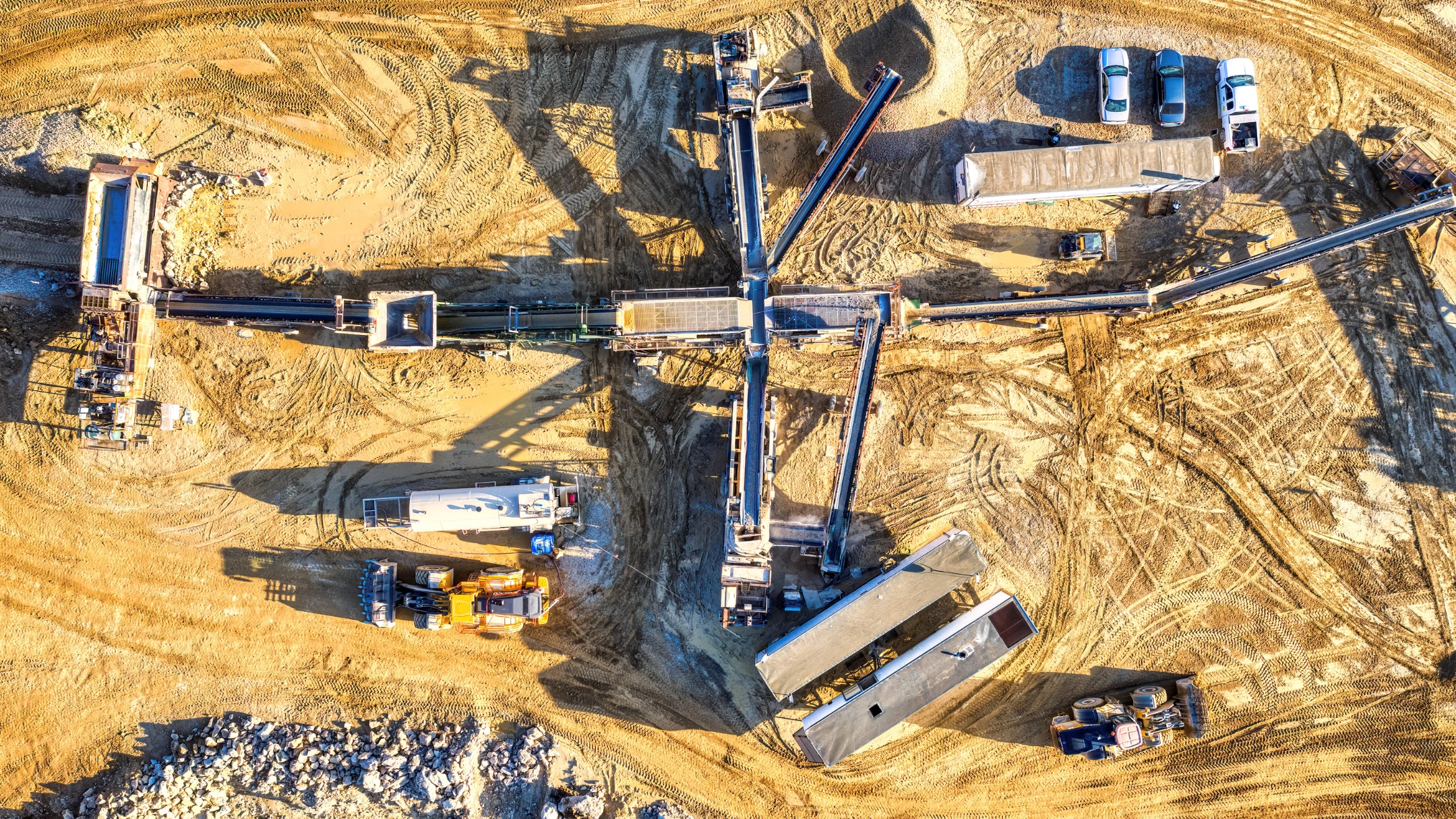
Ore extraction follows the strike and dip of the mineralized zones, using selective mining techniques to maximize chromite recovery while minimizing dilution from barren host rock. Run-of-mine material is transported to our on-site processing facility for crushing, screening, and gravity separation.
Mining Method: Open-pit with shallow underground extensions
Processing: Crushing, screening, and gravity separation
Product Forms: Lump (10-100mm), chips (5-10mm), fines (0-5mm)

The Muslim Bagh site features comprehensive on-site infrastructure built to support continuous operations and worker welfare. Our facilities include a processing plant with jaw crushers, cone crushers, and shaking tables; a quality control laboratory; worker accommodation; a medical clinic; and a skills training center.
The processing plant operates at a capacity of 50 tons per hour, with redundant crushing circuits to ensure uptime. Stockpile areas are paved and drained to prevent contamination and water accumulation. The site is fully fenced with controlled access points for security.
Processing Plant: 50 TPH capacity with redundant circuits
Quality Lab: On-site XRF analysis and wet chemistry
Worker Facilities: Accommodation, clinic, training center
The Dilband iron ore project represents our metallic mineral expansion beyond chromite and copper. Located within one of Balochistan's known iron-bearing corridors, the project is organized for steel feedstock buyers requiring consistent Fe grade, controlled silica and reliable bulk dispatch.
Material is handled as hematite and magnetite ore in lumps, fines and trial concentrate lots. Each shipment is reviewed through lot sampling, Fe assay, impurity checks and moisture control before it is released for beneficiation, sinter feed or direct blending programs.
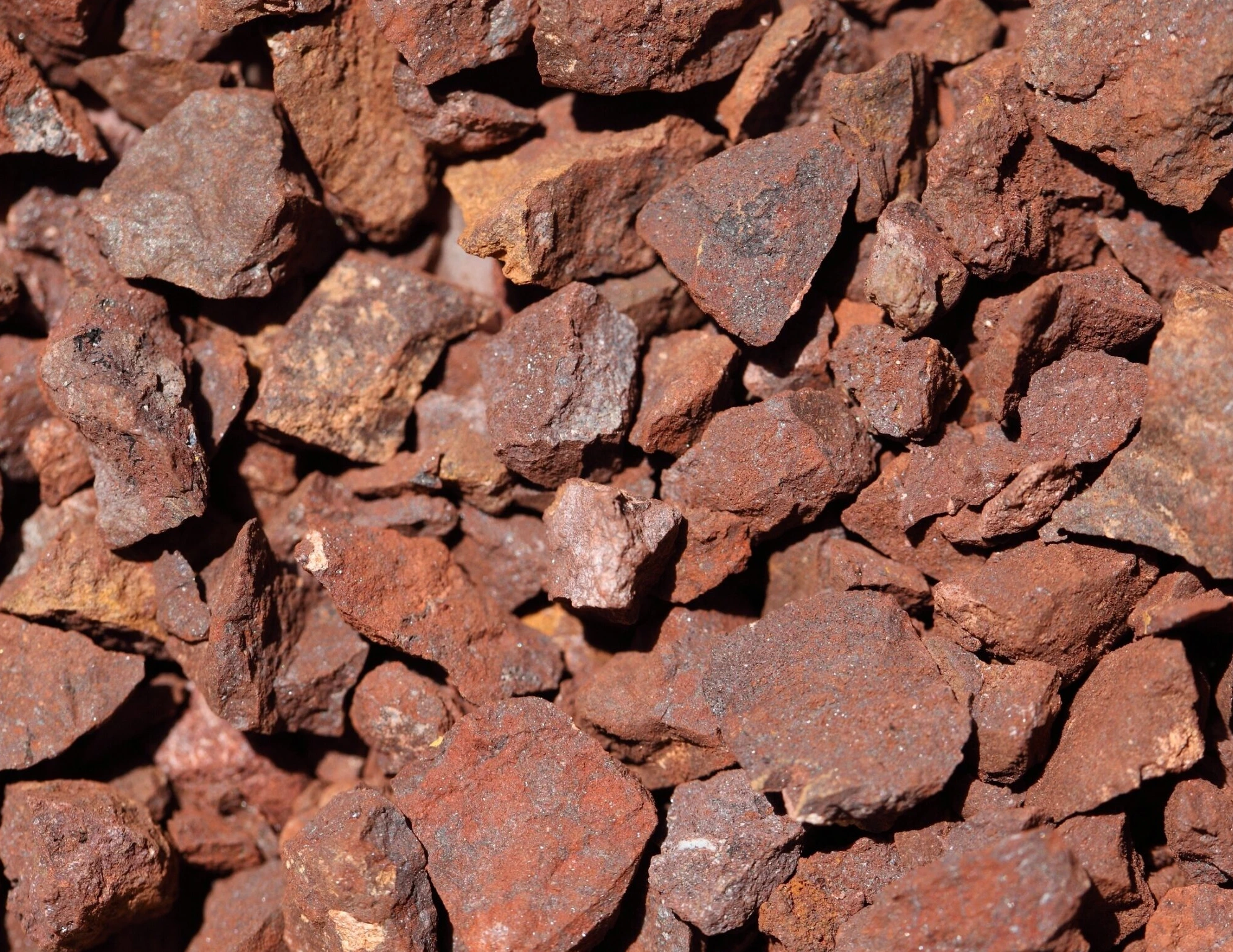
The Dilband iron ore workflow begins with field selection and controlled excavation of iron-bearing material, followed by crushing, screening and stockpile separation. Ore is grouped by Fe range and impurity profile so buyers can select material for direct blending, sinter feed or beneficiation trials.
Quality control focuses on Fe, SiO2, Al2O3, phosphorus and moisture. Representative sampling is completed before dispatch, with separate records maintained for lumps, fines and any upgraded concentrate material.
| Material Stage | Buyer Check |
|---|---|
| Field Selection | Visual ore type and lot separation |
| Crushing & Screening | Lump and fines size control |
| Assay Review | Fe, SiO2, Al2O3, P and S |
| Dispatch Release | Moisture, weight and lot documents |
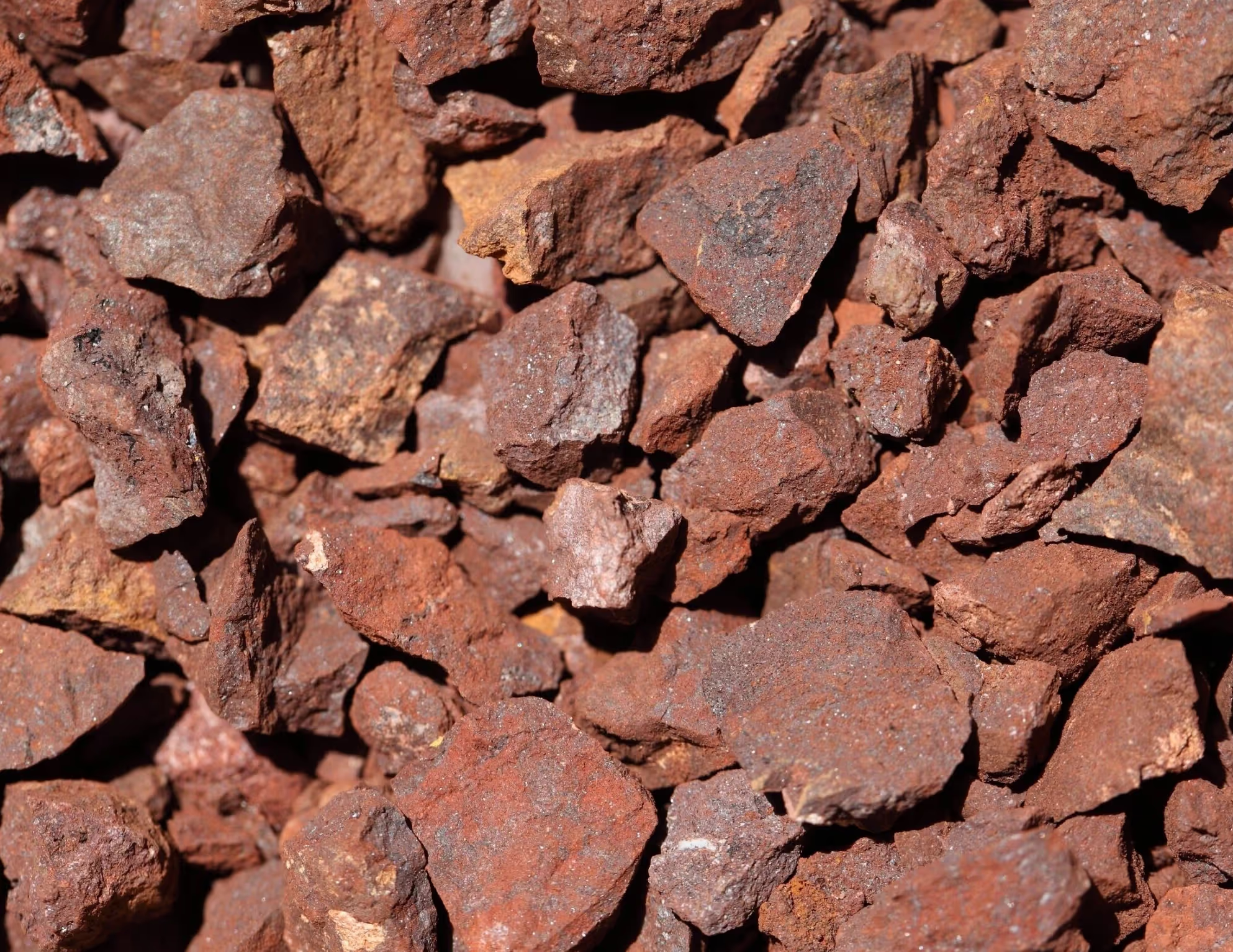
Iron ore supply is planned around repeat truck movement, weighbridge control and stockpile access for bulk buyers. Material can be staged as screened lumps, calibrated fines or blended lots depending on the target steel, cement or beneficiation program.
Dispatch documentation includes lot identity, quantity, loading date, moisture condition and laboratory report. This keeps each shipment traceable from field stockpile to buyer yard.
Transport Fleet: 40+ owned and contracted trucks
Product Forms: Lumps, fines and trial concentrate lots
Buyer Checks: Fe grade, silica, alumina, moisture and sizing

The Chagai district in western Balochistan lies within the Tethyan Metallogenic Belt—one of the world's most prolific copper-gold provinces. Our exploration concession in this highly prospective area represents a significant growth opportunity, with the potential to establish Balochistan Minerals as a dual-commodity copper-gold producer within the next 3-5 years.
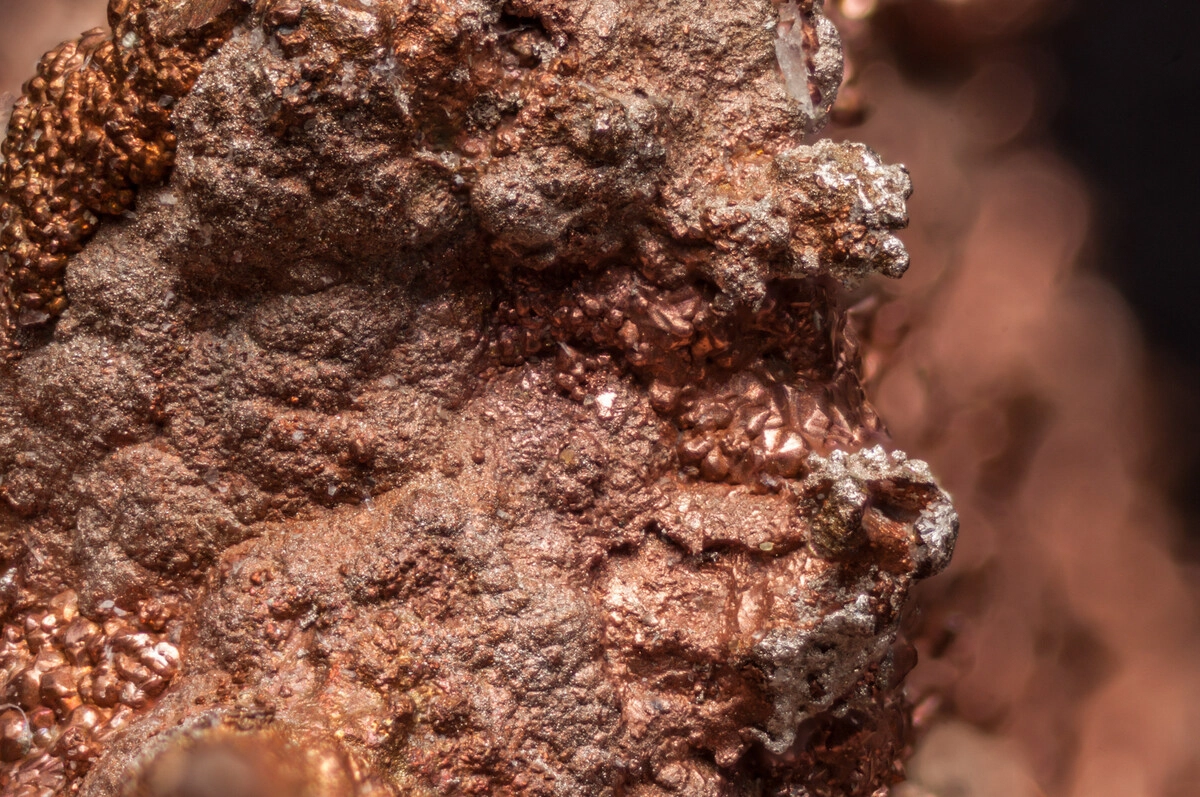
The Chagai volcanic arc is part of a Jurassic-aged magmatic belt formed by the subduction of the Neo-Tethyan oceanic crust beneath the Eurasian plate. This tectonic environment is ideal for the formation of porphyry copper-gold deposits—the same geological setting that produces world-class mines in Chile, Indonesia, and Papua New Guinea.
Regional geological surveys have identified widespread copper-gold mineralization across the Chagai district, with surface exposures of chalcopyrite, bornite, and native gold confirmed in outcrop samples. Our systematic exploration program is working to delineate the extent and grade of these deposits.
Our exploration program follows international best practice: desktop study and target generation, followed by field mapping and geochemical sampling, then geophysical surveys (magnetics, IP/resistivity), and finally diamond drill testing of priority anomalies.
All data is captured in a GIS database, interpreted by our geological team, and used to refine drill targets for subsequent phases.
Phase 1 (2024): Desktop study, reconnaissance mapping, and stream sediment sampling identified three priority anomaly zones.
Phase 2 (2025): IP/resistivity geophysical survey confirmed conductive zones consistent with porphyry-style mineralization at depth.
Phase 3 (2026): Initial diamond drilling program—5 holes for 2,000 meters—planned to test the shallowest and most prospective conductors.
The Chagai project represents a significant upside option for investors. Successful resource definition would position this project as a new revenue stream, strengthening the metallic portfolio beyond chromite, iron ore and antimony.
The associated gold content in Chagai-style porphyry systems adds additional economic leverage, potentially positioning this as a dual-commodity operation.
The antimony project is structured as a specialty metallic mineral stream, focused on stibnite-bearing ore and assay-led lot control. Because antimony value is strongly tied to Sb percentage and impurity profile, every shipment is managed through sampling, sorting and buyer-specific chemistry review.
Antimony material is prepared for users in alloying, flame-retardant chemistry, battery components and specialty metallurgical applications. Ore lots are separated by grade band, visual mineralization and moisture condition before dispatch.
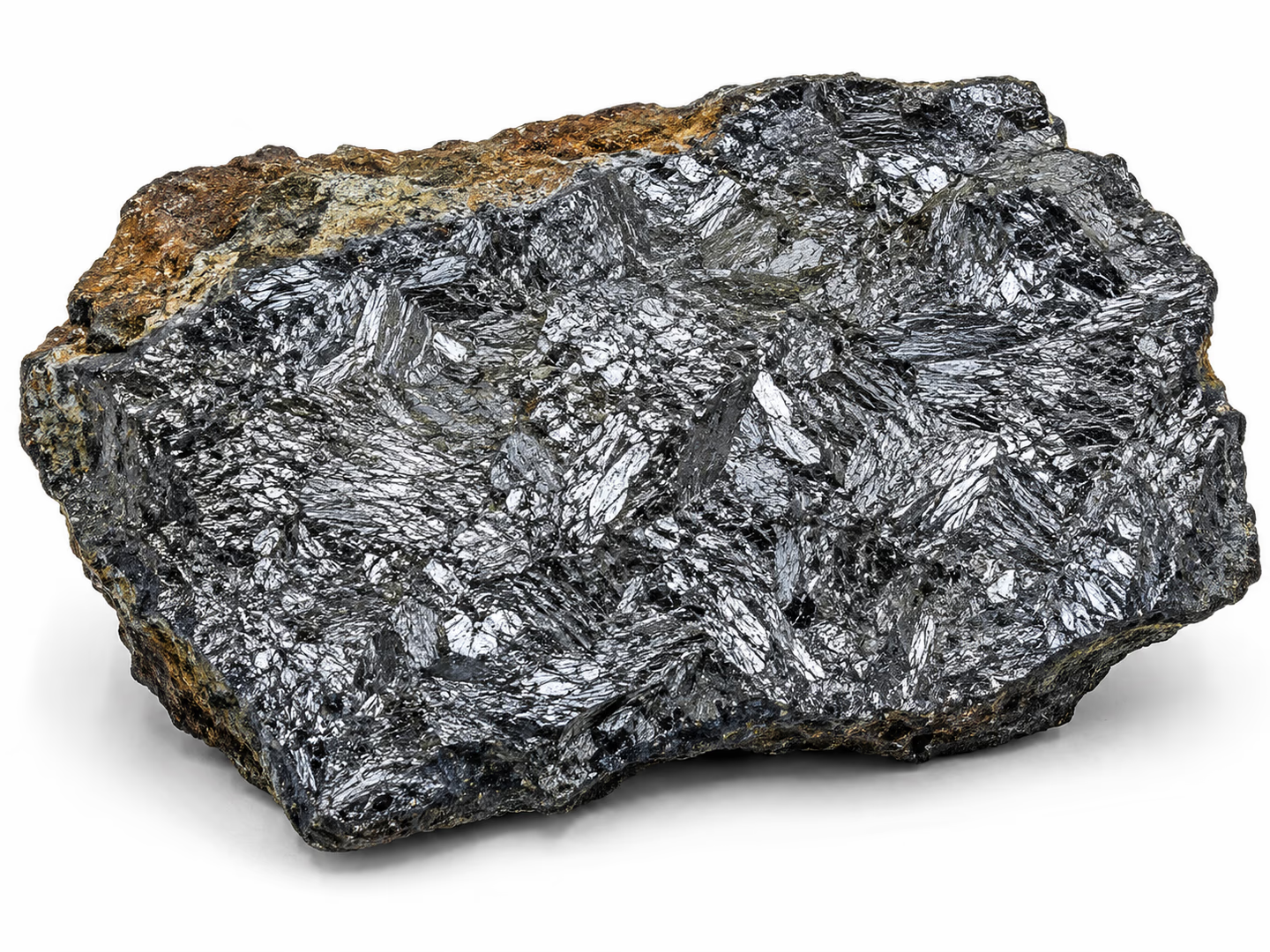
Antimony ore is reviewed through representative sampling because grade variation can be sharp across vein, host rock and sorted material. Run-of-mine material is separated into visual grade bands before crushing, bagging or bulk staging.
Buyer review focuses on Sb assay, arsenic and other penalty elements, moisture, size distribution and the recoverability of stibnite mineralization. Each lot is kept traceable from field source to dispatch.
Quality Control: Sb assay, penalty elements and moisture
Processing: Hand sorting, crushing and lot separation
Product Forms: Sorted ore, lumps and concentrate trial lots
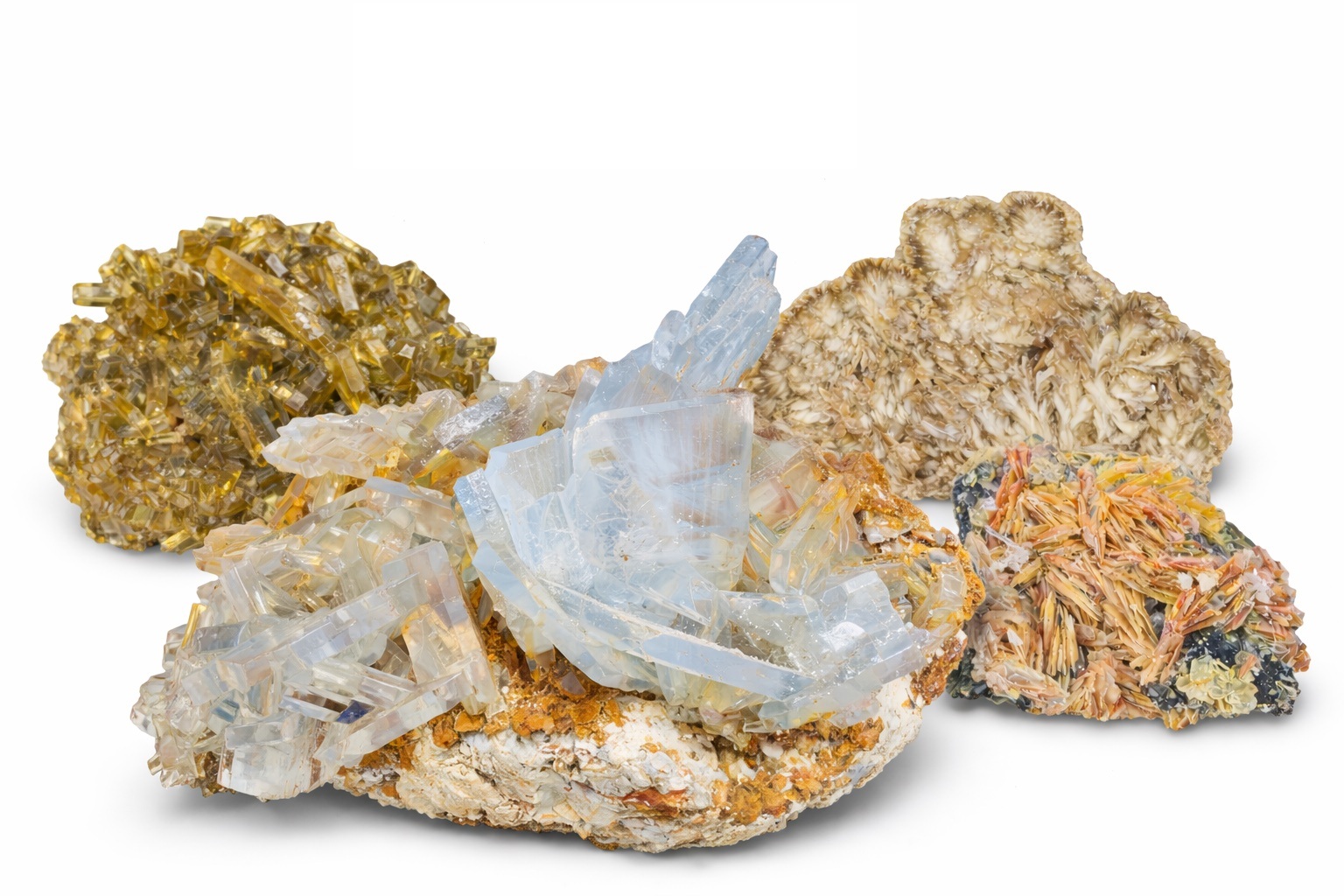
The Khuzdar barite project anchors the industrial mineral category, processing high-density barium sulfate for drilling mud, well control and industrial filler markets. Each lot is checked against specific gravity, fineness, residue, moisture and BaSO4 content before dispatch.
Material is prepared through crushing, grinding, gravity separation and screening to support API-style buyer requirements. Packaging can be structured as 50kg bags, jumbo bags or bulk truck lots depending on buyer need.
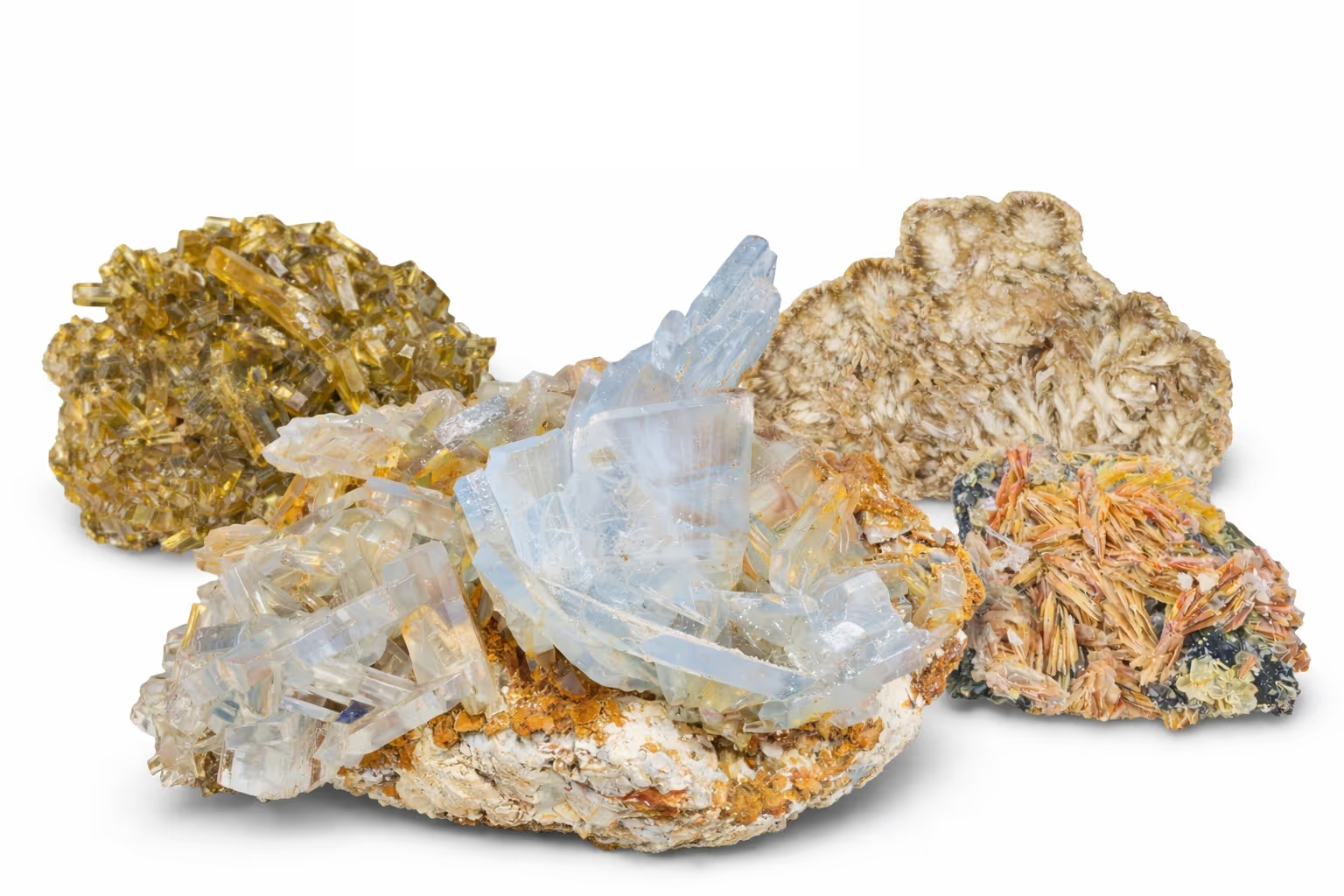
Barite processing begins with primary crushing and grinding, followed by gravity separation to remove lighter gangue minerals. Final screening controls residue and particle size for drilling-grade use.
Quality control focuses on specific gravity, BaSO4 percentage, moisture, mesh residue and packaging condition. Each shipment is documented by lot so buyers can verify material consistency.
Processing: Crushing, grinding, gravity separation and screening
Buyer Checks: SG, BaSO4, residue, moisture and mesh size
Product Forms: Powder, bags, jumbo bags and bulk lots
The fluorspar project is organized for metallurgical, ceramic, glass and chemical buyers requiring CaF2-rich material with controlled silica, carbonate impurities and moisture. Material is supplied as lumps, chips or powder depending on the use case.
Each lot is reviewed for CaF2 grade, color, sizing and impurity profile before dispatch. Metallurgical buyers focus on fluxing performance, while ceramic and glass buyers require cleaner chemistry and consistent presentation.
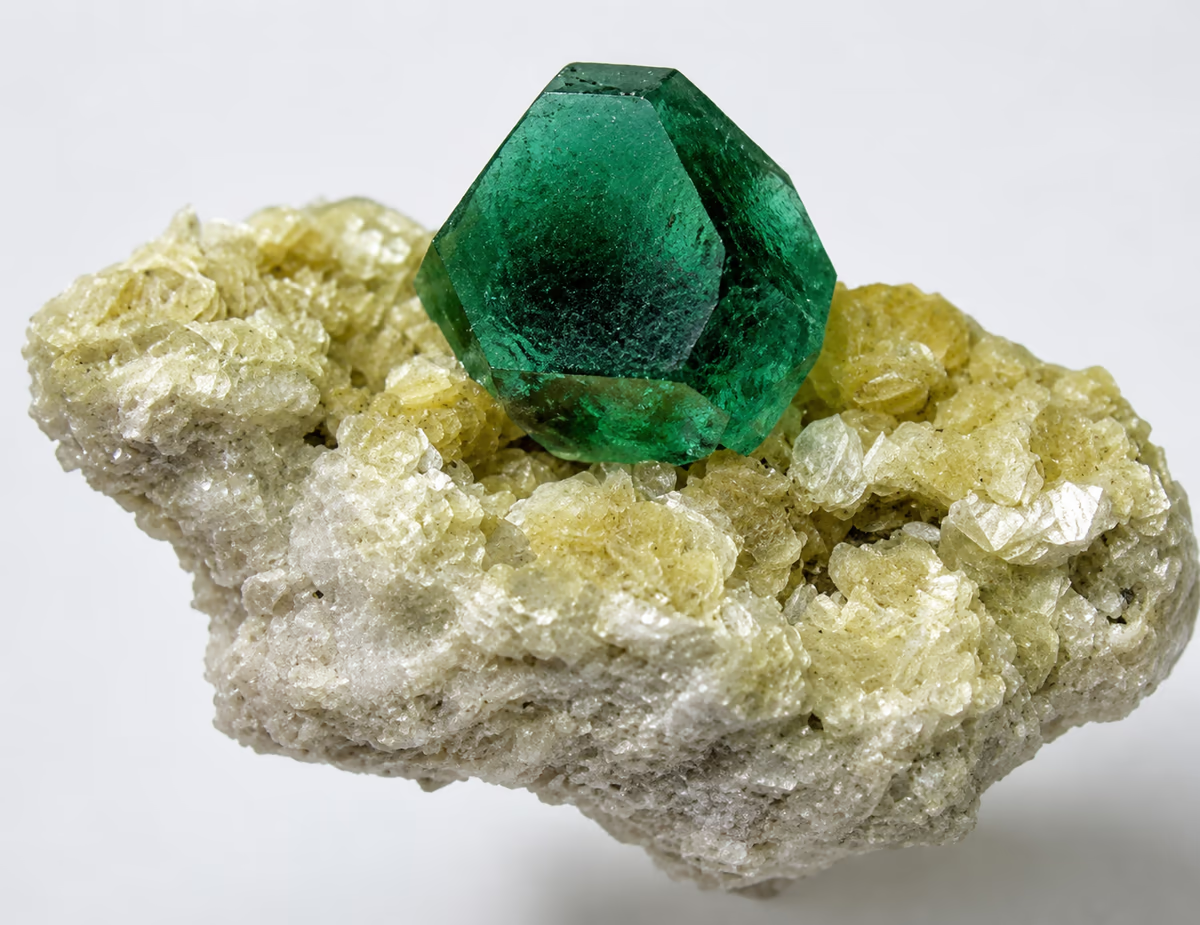
Fluorspar material is sorted and screened by grade band, color and size. CaF2 assay is the primary commercial control, while silica, calcium carbonate and moisture are reviewed as buyer acceptance factors.
Dispatch is structured for container, bagged or truck-loaded lots, with lot identity maintained from field source through final loading.
Markets: Steel, aluminum, glass, ceramics and chemicals
Checks: CaF2, SiO2, CaCO3, moisture and sizing
Forms: Lumps, chips and powder
Gypsum is managed as a bulk industrial mineral project for cement retarders, plaster, boards and construction users. The project focuses on purity, moisture, whiteness, sizing and reliable dispatch.
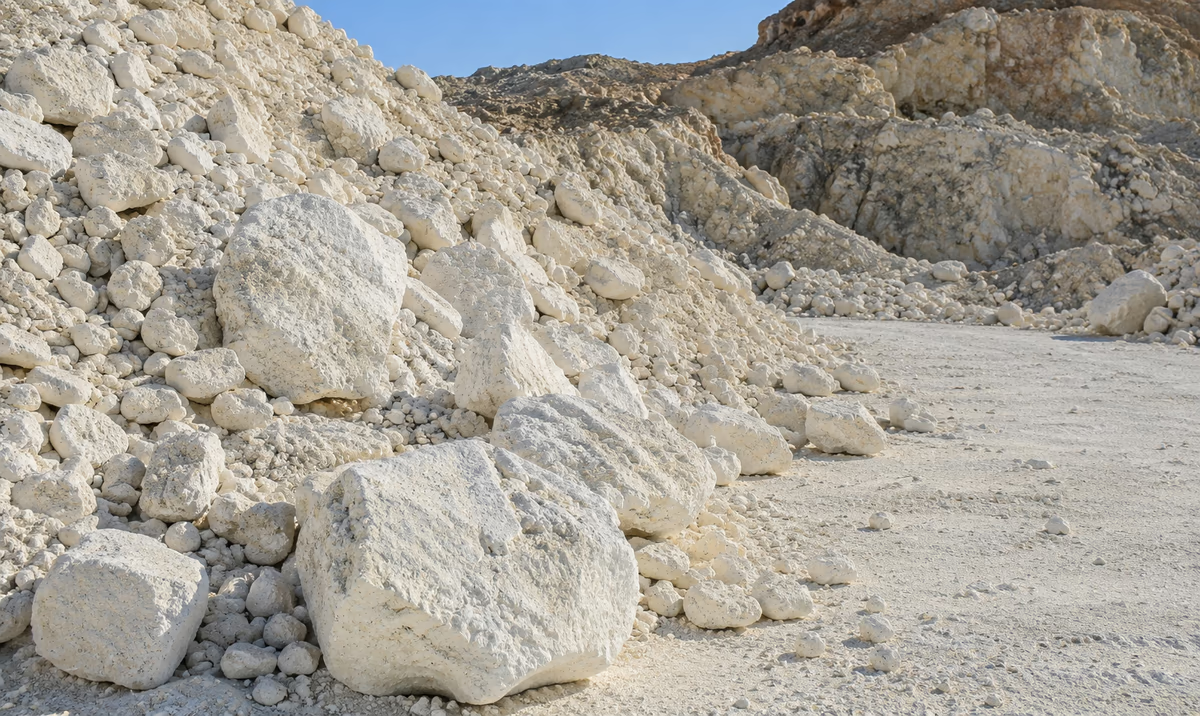
Gypsum supply is built around calcium sulfate content, moisture condition and consistent sizing. Buyers in cement and construction require predictable quality so the material performs consistently in grinding, plaster setting and board manufacturing.
Field lots are inspected visually and then confirmed through purity, moisture and size checks before loading.
Gypsum is supplied for cement set control, plaster products, boards and construction blends where moisture and purity affect final performance.
Each lot is checked for CaSO4 content, moisture, whiteness where required, lump size and contamination before loading.
Material can be dispatched as raw bulk gypsum, screened lumps or buyer-specific size ranges for cement and plaster plants.
The magnesite project is positioned for refractory and industrial buyers requiring MgO-rich raw material or calcination-ready feed. Lot approval depends on MgO, silica, iron, LOI and calcination behavior.
Material is evaluated through sampling, crushing trials and chemistry review before being released as raw magnesite, sorted lumps or trial lots for calcined magnesia programs.
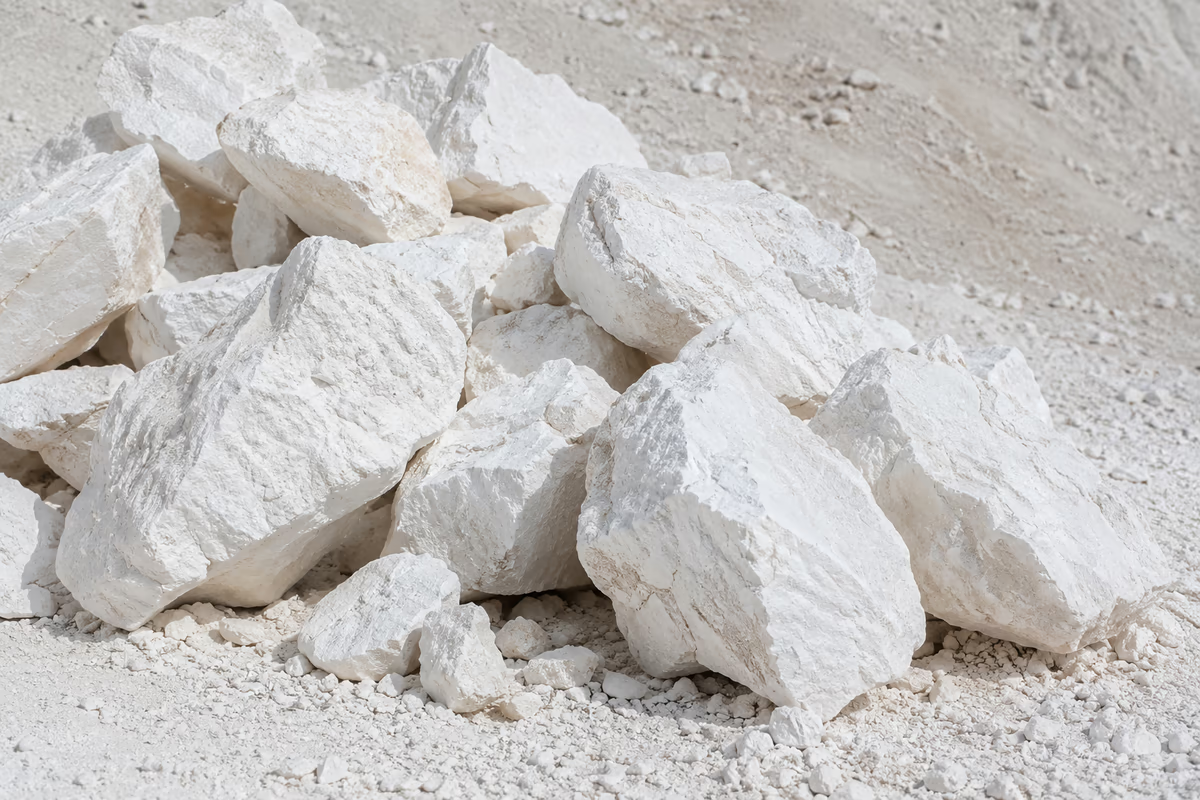
Magnesite is reviewed by MgO content, silica, iron, LOI and physical behavior during crushing or calcination. This determines whether the lot is suitable for refractory feed, industrial magnesia or buyer testing.
Trial lots are kept separated and documented so buyers can evaluate chemistry, size and behavior before committing to repeat supply.
Use: Refractory feed and industrial magnesia
Checks: MgO, SiO2, Fe2O3, LOI and sizing
Program: Evaluation, sampling and buyer trial lots
The phosphate rock project is organized around assay-led supply for fertilizer, phosphoric acid and industrial chemical users. Material suitability is confirmed by P2O5 content, carbonate balance, silica, moisture and size distribution before dispatch.
Supply can be structured as lumps, crushed material or screened feed. Each lot is sampled and documented so buyers can evaluate chemistry, sizing and handling requirements before repeat shipments.
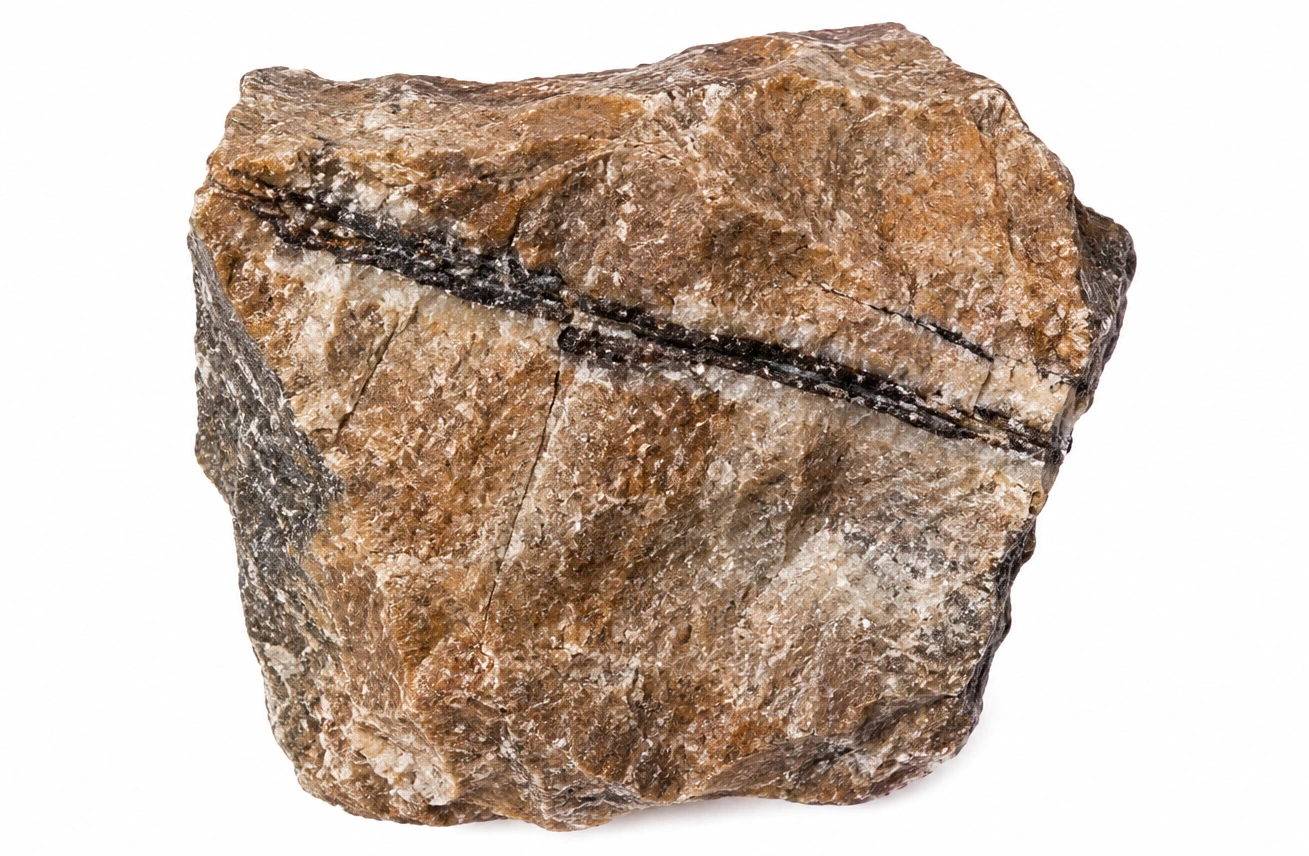
Bauxite lots are evaluated by alumina content, silica, iron and calcination behavior. Material can be positioned for refractory, alumina, cement and industrial mineral buyers depending on assay.
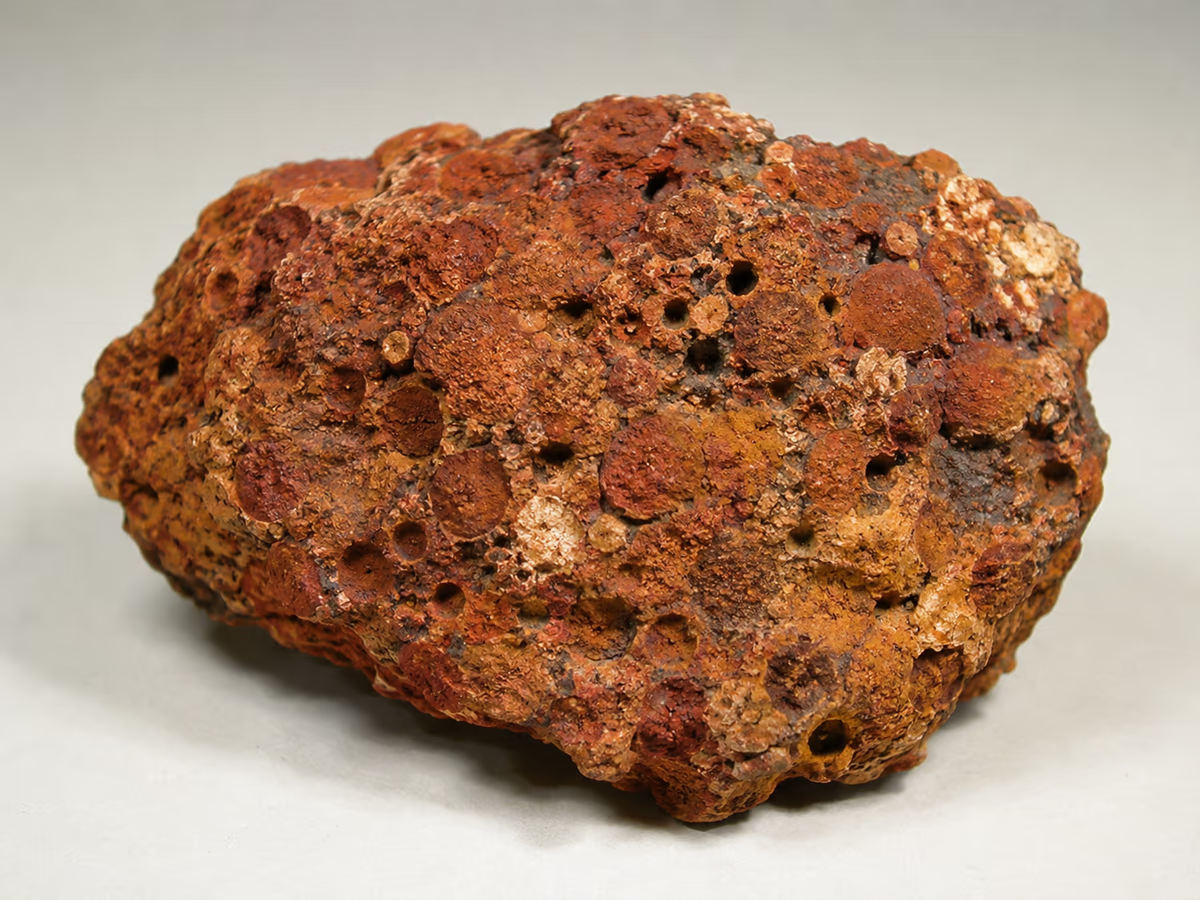
Bauxite is handled as an alumina-bearing industrial ore where commercial suitability depends on Al2O3, SiO2, Fe2O3, TiO2, LOI and size. Raw and calcined options are considered by lot and buyer requirement.
Material is sampled and grouped before dispatch so buyers can assess refractory performance, alumina potential or cement blending suitability.
Buyer acceptance focuses on Al2O3, SiO2, Fe2O3, TiO2, LOI and sizing. Each lot is documented before dispatch.
Bauxite can be positioned for refractory feed, alumina-bearing blends, cement applications and other industrial mineral users depending on chemistry.
Supply can be structured as raw bauxite or calcination-ready lots once buyer specifications and trial results are confirmed.
Marble is supplied as blocks, slabs and tiles for flooring, wall cladding, staircases, counters and interior stonework. The project is evaluated by block recovery, color consistency, vein movement, cracks, polish and slab thickness.
Commercial and premium selections are separated by shade lot, fracture level and finishing potential before cutting or export packing. Buyer approval is based on samples and visual consistency rather than chemical purity.

Marble blocks are inspected for cracks, color lot, veining, resin/fill requirement and expected slab recovery. Material is then directed to block sale, slab cutting, tile production or cut-to-size orders.
Packing and finishing are selected by buyer requirement, including polished, honed and custom surface treatment options.
Forms: Blocks, slabs, tiles and cut-to-size orders
Buyer Check: Color lot, cracks, polish and thickness
Packing: Export-ready blocks, slabs and finished pieces
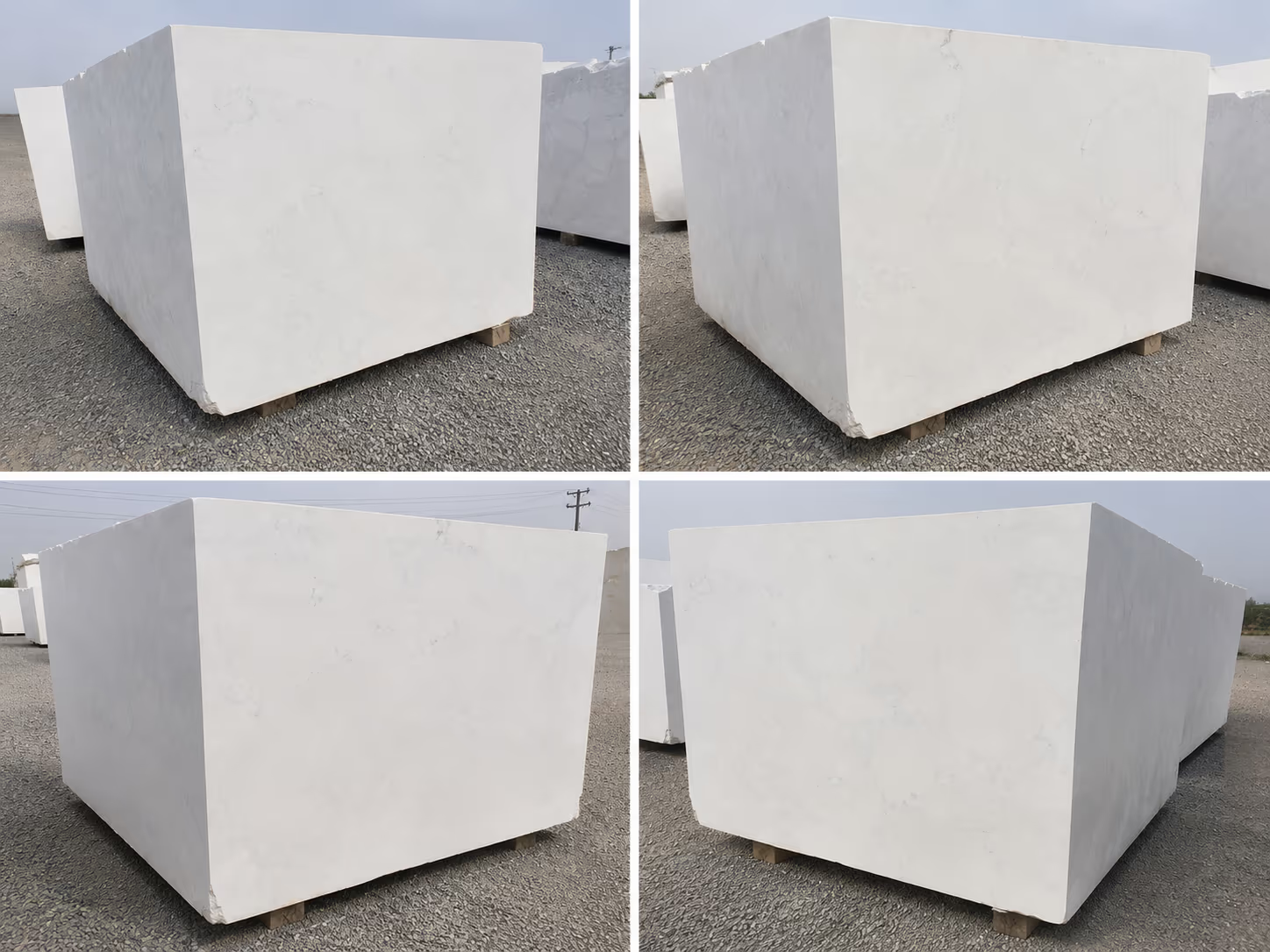
White marble is positioned for buyers needing cleaner backgrounds, controlled veining and premium presentation for residential, hospitality and commercial interiors. It should be selected by sample approval before bulk order.
Selection focuses on bright white to off-white backgrounds, shade variation, polish, edge finishing and the visual consistency required for floors, counters, bathrooms and wall panels.
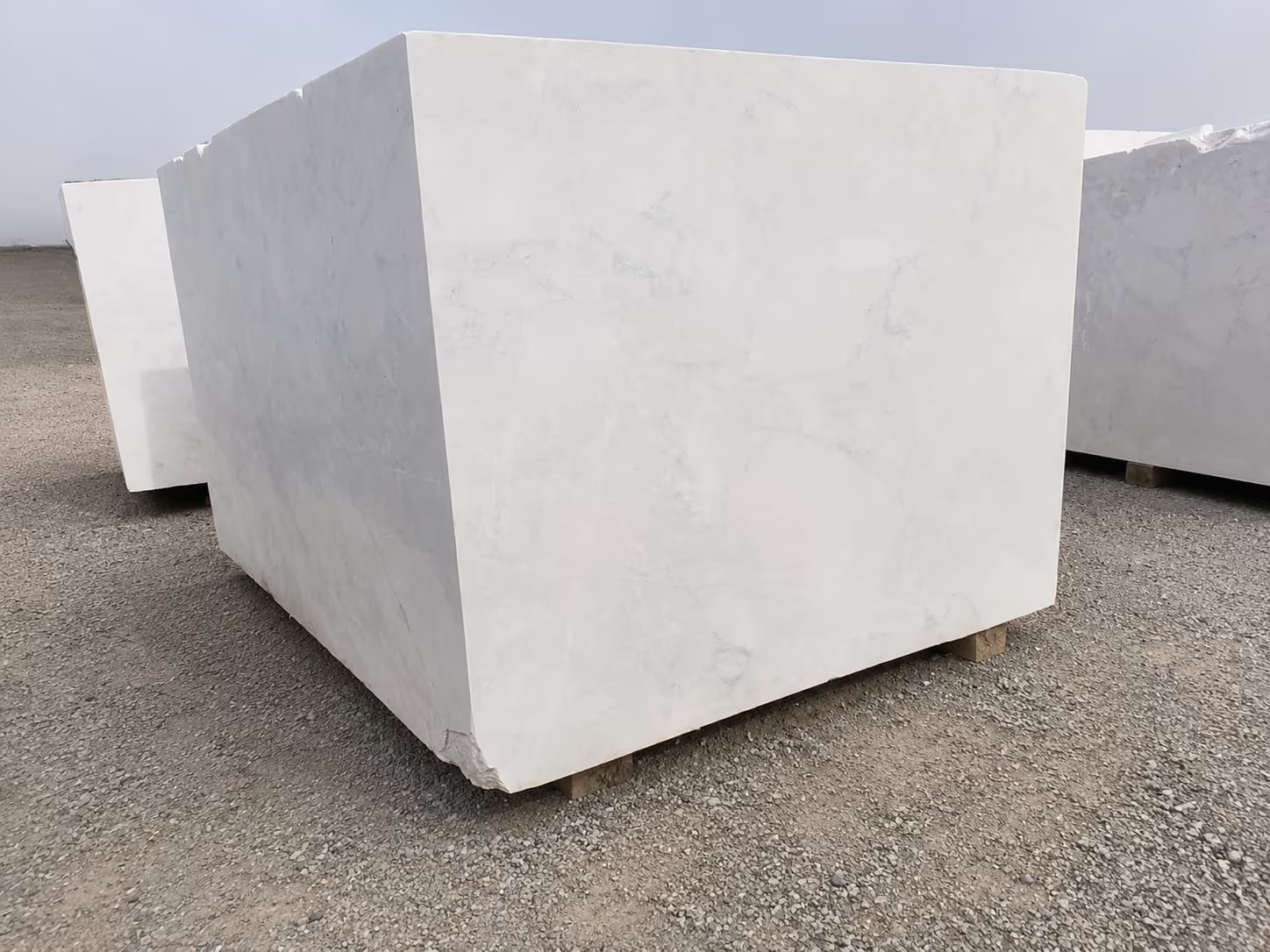
White marble lots are approved through sample comparison because whiteness, veining and background consistency define the commercial value. Blocks are separated by shade family before slab or tile preparation.
Buyers review whiteness, veining, shade variation, polish, edge finishing and packing before confirming bulk dispatch.
Selection: Bright white to off-white backgrounds
Use: Premium floors, counters, bathrooms and wall panels
Buyer Check: Whiteness, veining, polish and edge finish
Onyx is supplied for feature walls, tabletops, backlit panels, decorative counters and luxury interior applications. Its value depends on translucency, banding, pattern match, cracks and careful packing.
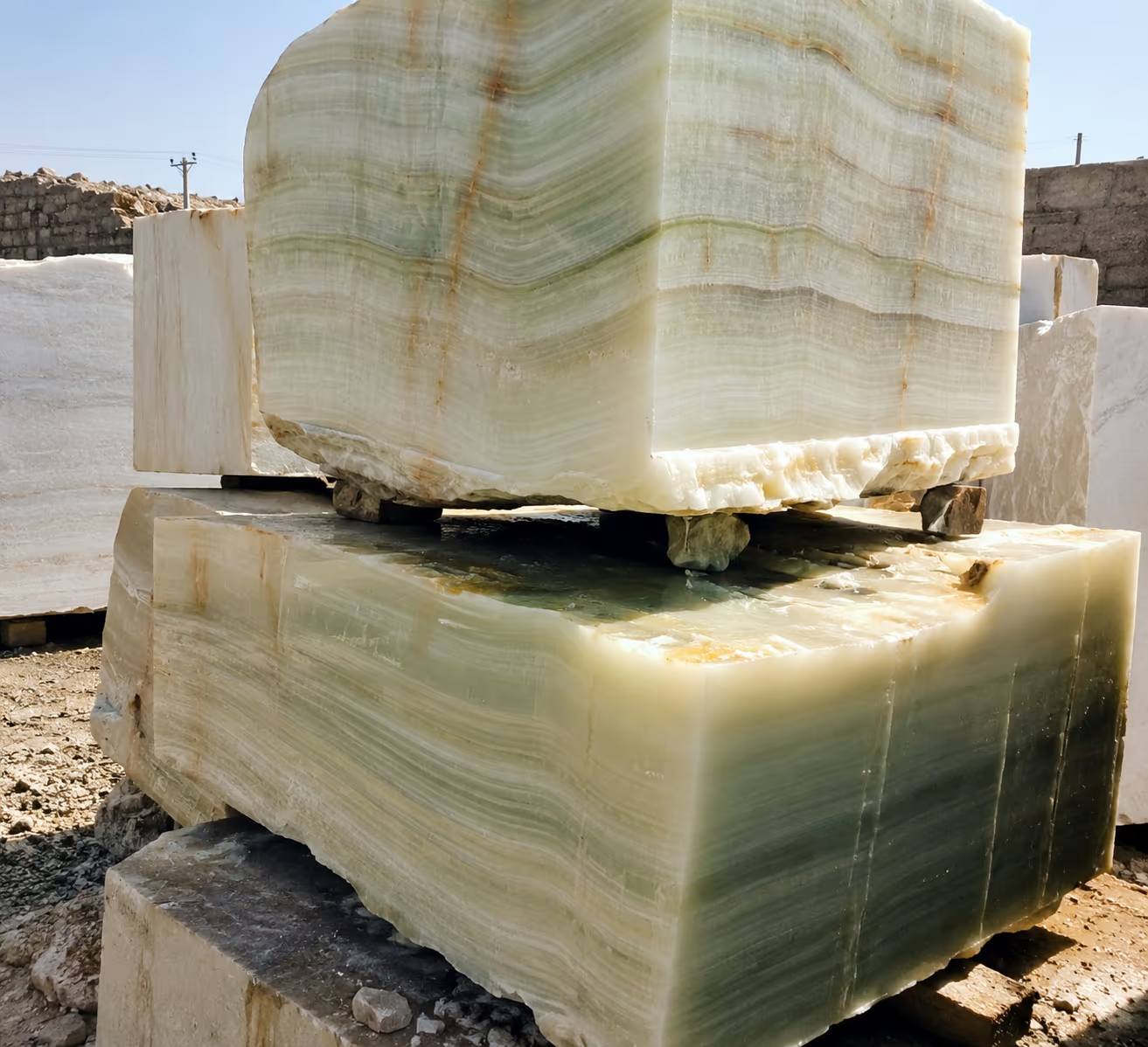
Onyx requires more careful selection than standard stone because light transmission, banding and natural fractures determine the final value. Blocks and slabs are reviewed for backlit use and design matching.
Buyers typically request pattern consistency, resin treatment control and secure packing for polished slabs or cut-to-size panels.
Onyx is best suited for backlit walls, feature panels, tabletops, decorative counters and high-impact interior design elements.
Buyer inspection focuses on translucency, pattern match, cracks, resin treatment, polishing and export packing.
Material can be supplied as slabs, tiles and decorative cut-to-size pieces for project-led interior work.
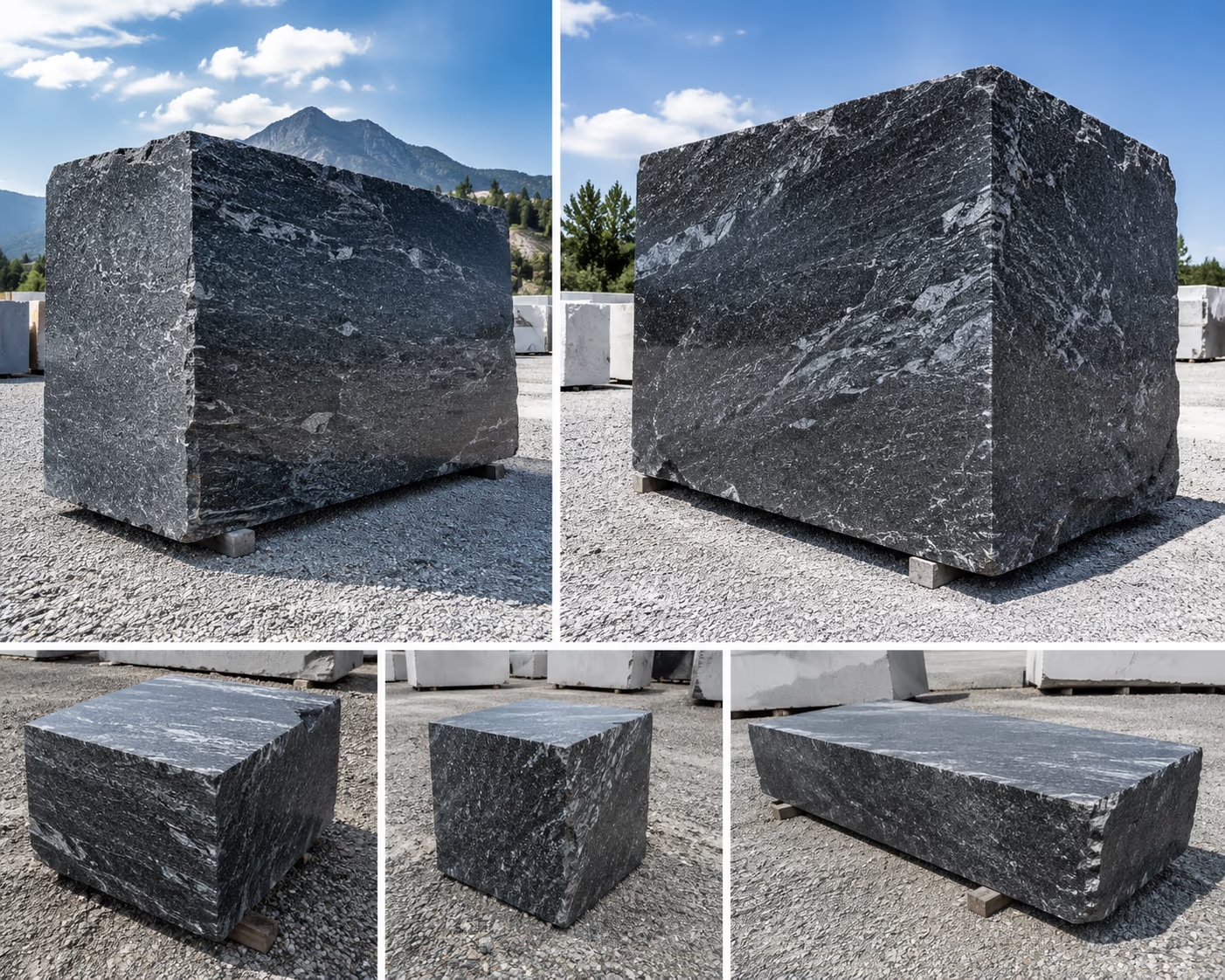
Granite is supplied for high-traffic surfaces, exterior cladding, counters, paving and monuments. Buyers evaluate hardness, surface finish, pattern consistency and dimensional accuracy.
The project is managed through block inspection, slab thickness control, polish review, water absorption checks, edge finishing and secure packaging.
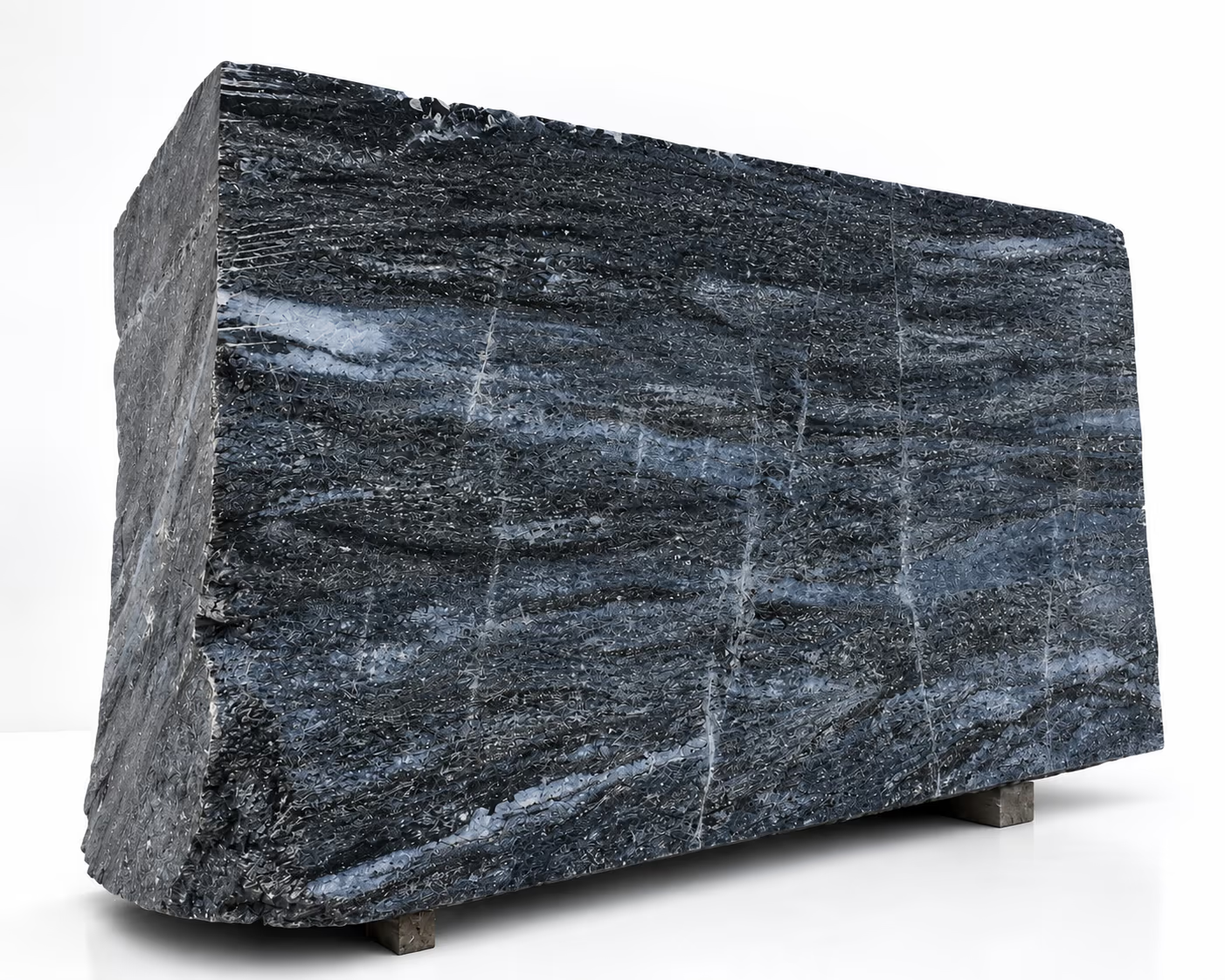
Granite lots are selected for pattern consistency, hardness, surface finish and block recovery. Finished material is controlled by thickness, polish, water absorption, edge finish and packaging method.
Supply can be structured as blocks, slabs, tiles, paving sizes and monument-grade pieces depending on buyer project requirements.
Use: Counters, exterior cladding, flooring and monuments
Buyer Check: Thickness, polish, absorption and edge finish
Forms: Blocks, slabs, tiles and paving sizes
Sorange-Degari is handled as a Quetta coalfield sourcing corridor. The correct commercial approach is to evaluate each lot by laboratory report before dispatch, especially where buyers have boiler or blending limits.
Material is positioned for fuel blending, industrial boilers and local energy demand. Buyer acceptance is based on GCV, ash, moisture, volatile matter and fixed carbon.

Sorange-Degari coal is separated by lot and tested before loading. Laboratory values determine whether material is suitable for blending, direct boiler use or local energy customers.
Dispatch control focuses on GCV, ash, moisture, volatile matter, fixed carbon and size. Loading supervision keeps each lot traceable from field stockpile to buyer yard.
Use: Fuel blending, industrial boilers and local energy demand
Buyer Check: GCV, ash, moisture and fixed carbon
Dispatch: Field supply by lot with loading supervision
Mach-Anjira coal supply is treated as a corridor-based sourcing program where transport, lot consistency and lab reporting matter as much as the field name. Material is best sold with clear acceptance tolerances.
Buyer review focuses on GCV, ash, moisture, size and loading supervision. The project is positioned for industrial heating, blending and local energy users.
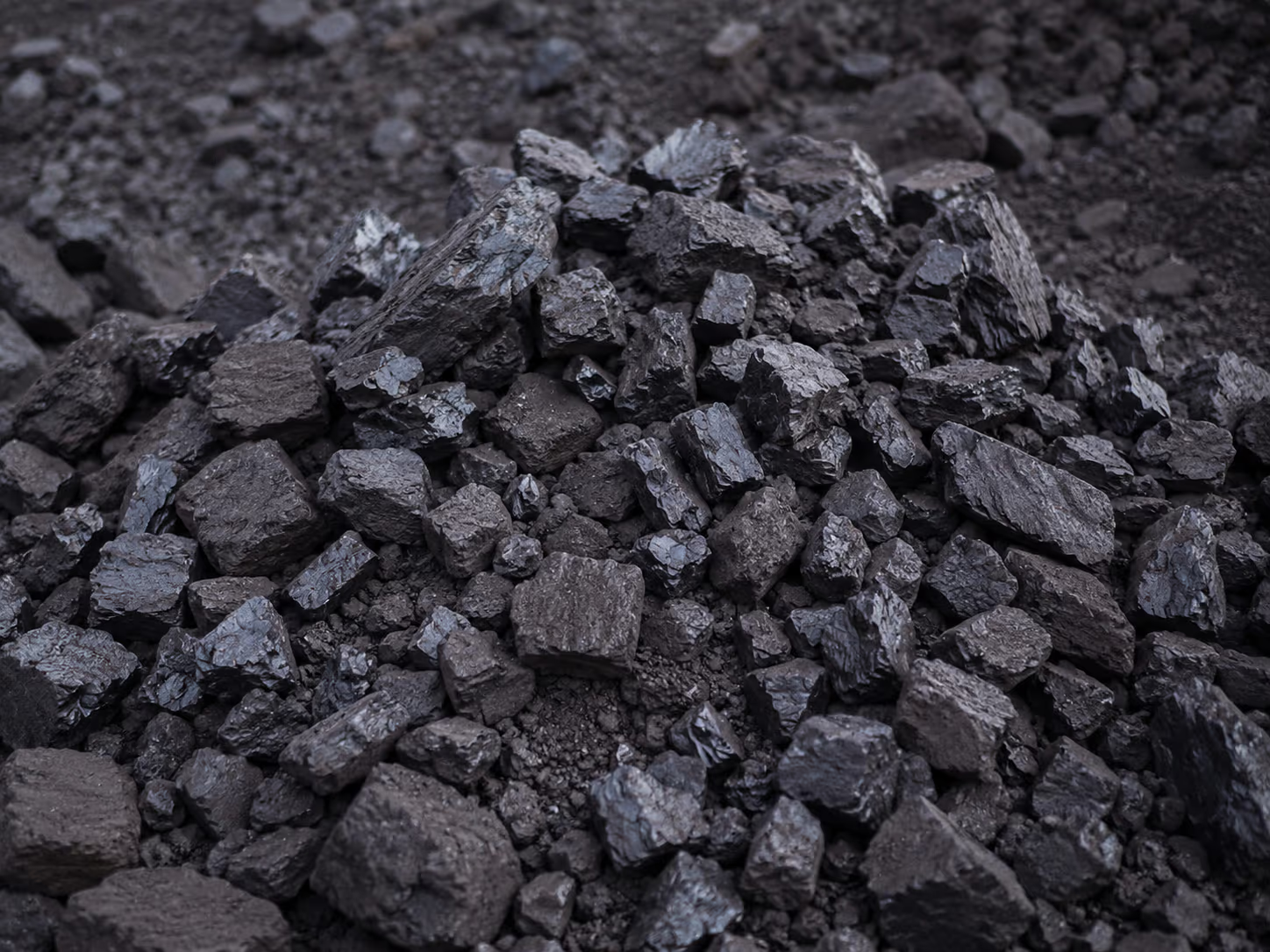
Mach-Anjira supply is managed by field corridor, loading supervision and lot documentation. Route planning is part of the quality promise because transport and loading discipline protect buyer consistency.
Acceptance tolerances are agreed around GCV, ash, moisture, size and loading condition before dispatch.
Route: Mach corridor transport and loading control
Buyer Check: GCV, ash, moisture and size
Use: Industrial heating, blending and local energy users
Whether you're interested in our existing operations, exploring joint venture opportunities in Chagai, or seeking a reliable mineral supply partner—we'd love to discuss how we can work together.
Get In Touch